Tending the gardens of Memorial.
The bayou, the oaks, the acidic loam — Memorial is one of the more interesting pockets in Houston for someone who actually cares about plants. It's also where most of our work happens.
Why Memorial is its own thing
Most of Houston is heavy gumbo clay. Memorial isn't — at least not all of it.
Closer to I-10, you'll find the clay you'd expect. But along Buffalo Bayou and Rummel Creek, and through the ravines that feed them, the soil shifts to a sandy loam that's naturally acidic and drains quickly. That changes everything you can grow there. Azaleas. Camellias. Japanese maples. Plants that struggle elsewhere in Houston thrive in Memorial because the soil and the canopy give them what they need.
The canopy matters too. Live oaks, pines, magnolias — Memorial has more mature tree cover than almost anywhere in the city, and it's the reason homes here feel like they belong in a forest. It's also the reason turfgrass under those trees almost never works. Sun-loving grasses don't survive in deep shade, no matter how much someone wants them to.
One thing worth knowing if you're in a newer home: even the most careful builders compact the soil around mature trees during construction. Damage to the root zone often doesn't show for two or three years. If your trees are looking off and the house isn't that old, that's usually why.
Garden, not landscape
There's a difference between a landscaper and a gardener, and most Houston companies are the former.
A landscaper installs. A landscaper mows, blows, and moves on. That works fine for a lot of properties, and Katherine has no quarrel with companies that do that work well — it's just not what Green City Gardens does.
In Katherine's words:
"Not every landscape is a garden, but every landscape benefits from a gardening mentality. Gardeners think long term and get excited about making things special. They also understand that the difference between doing what's right and doing what's easy is being able to say no sometimes. 'No' to the grass that's going to die in shade, but is what the client wants. 'No' to the flowers that will bloom for awhile, but not make it through the summer. 'No' to ignoring the fertilization that will need a couple of treatments and just hoping it goes away on its own." — Katherine
That's the difference. It's also the reason Memorial, with all of its mature gardens and good bones and decades-old planting decisions, tends to need a gardener more than a landscaper.
A recent project
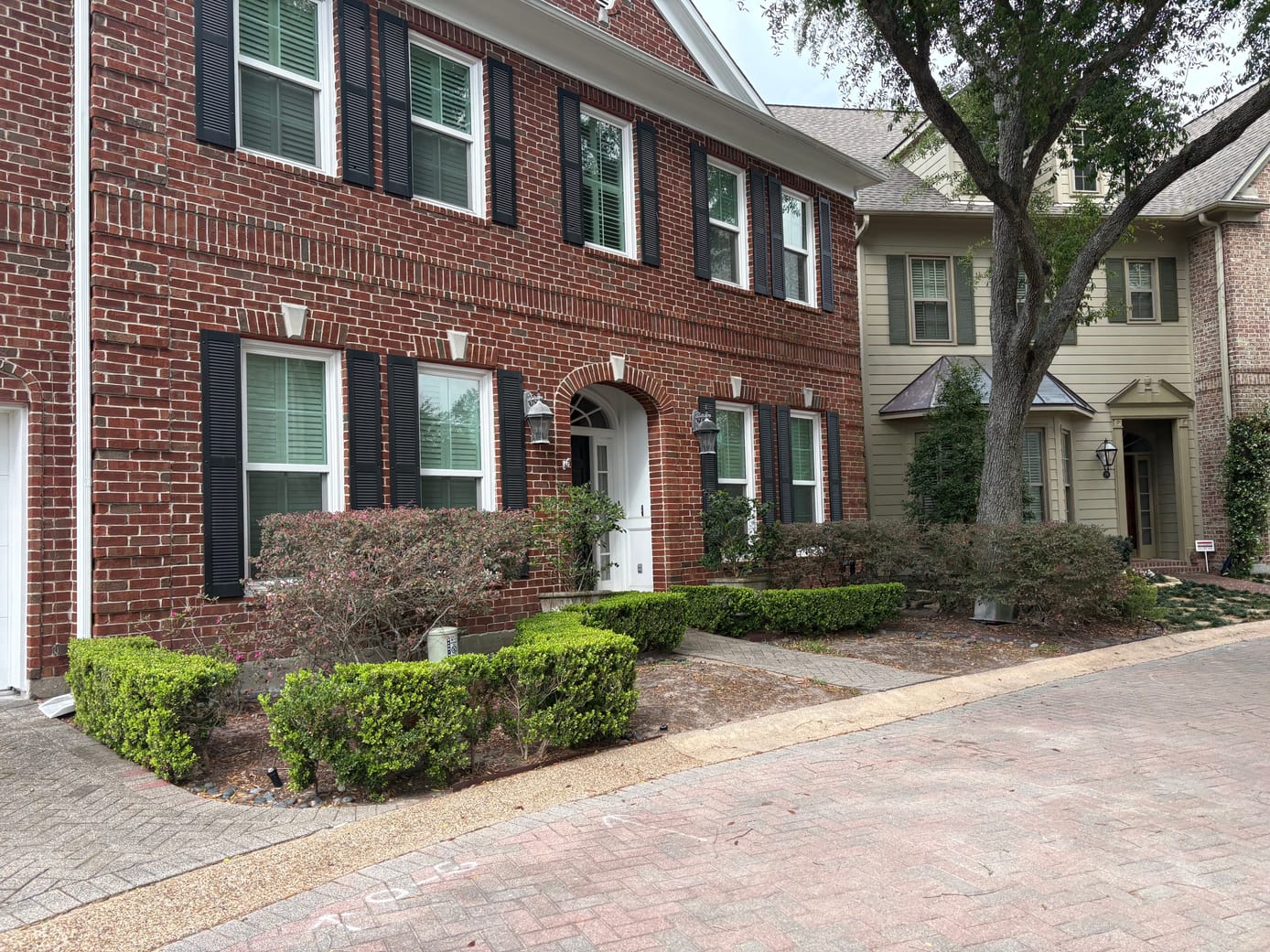
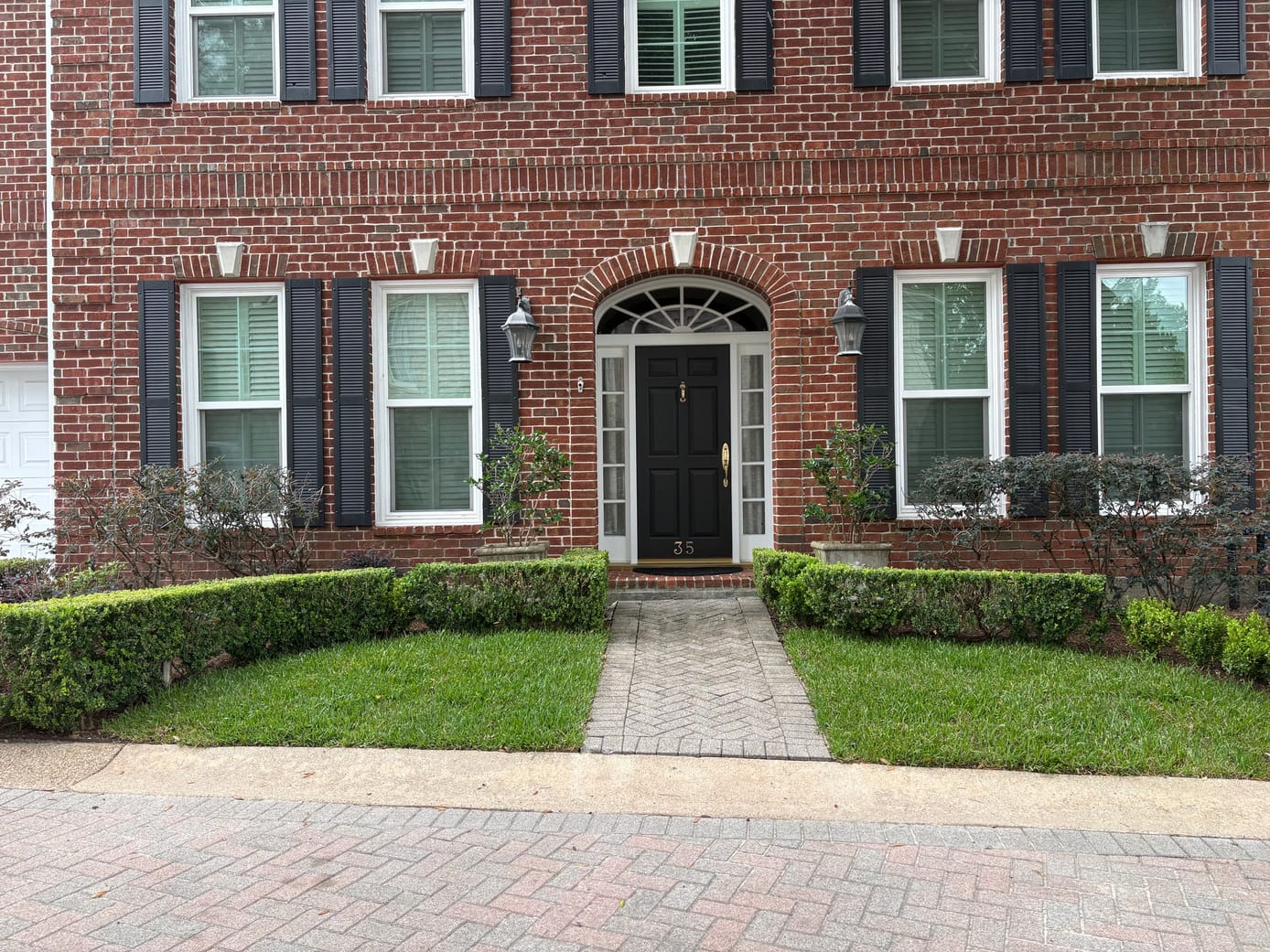
The Reed residence is a good example of what gardening rather than landscaping looks like in Memorial. The front yard came to us as bare dirt where the lawn should have been. We diagnosed why the existing turf had failed, matched the install to the conditions, and got the result the property needed.
The first call is just a conversation.
Memorial clients tend to want a long relationship, not a project. We walk the property, we listen, we say what we think, and we come back.